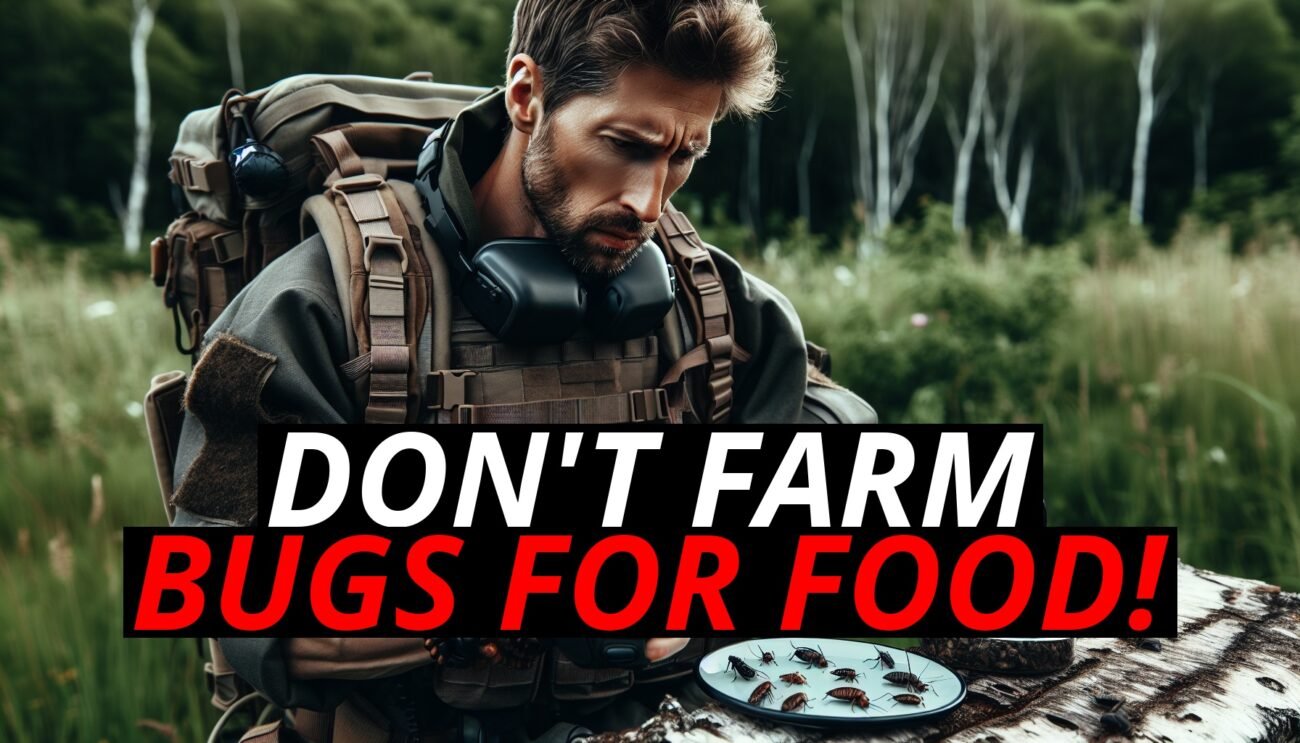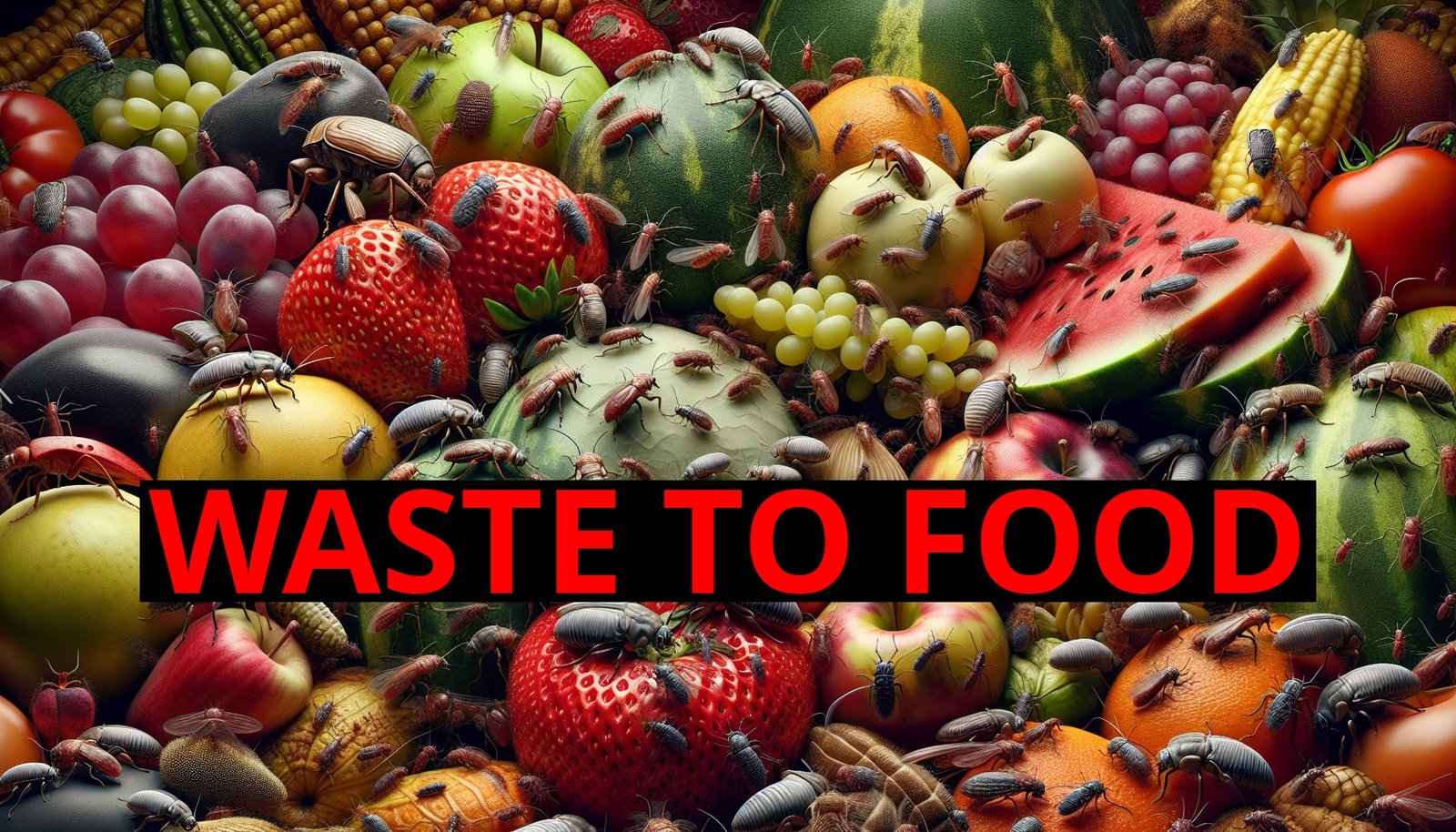
In the push for sustainable food solutions, we often hear about farming bugs and other pests as a way to feed the world. However, there’s a more practical and pragmatic role for these creatures that has been overlooked: repurposing them as survival food or animal feed, rather than trying to cultivate them for human consumption. Bugs, mice, and other pests have always existed on the fringes of food systems, but their true value lies in their ability to turn waste into resources—not in becoming the next trendy protein bar.
Let’s explore how these creatures can play a meaningful role in sustainable food systems, without needing to replace our traditional food sources.
Bugs And Pests: Nature’S Recyclers
Bugs, mice, and other pests often get a bad reputation, but in reality, they are some of nature’s best recyclers. In the wild, these creatures break down organic matter and turn it into something useful, helping to cycle nutrients through ecosystems.
Here’s how bugs and pests contribute to natural cycles:
- Decomposition: Bugs like beetles and flies play a key role in breaking down dead plants and animals, turning them into nutrient-rich compost. This helps improve soil quality and promotes the growth of new plants.
- Waste conversion: Certain insects, such as black soldier fly larvae, are incredibly efficient at converting food waste into valuable protein and fat. They can eat almost anything, making them perfect for processing food scraps that would otherwise go to waste.
- Pest control: Some insects, like ladybugs and praying mantises, help keep agricultural pests in check, reducing the need for chemical pesticides.
In their natural roles, bugs and pests already contribute to food systems by recycling organic matter and reducing waste. Rather than farming them for human consumption, we should be focusing on how to harness their natural abilities to repurpose waste into something useful.
Bugs As Survival Food: A Time-Tested Solution
For thousands of years, humans have turned to bugs and small pests as survival food during times of scarcity. In many cultures, bugs are seen as a last-resort protein source when more desirable foods are unavailable. This pragmatic approach to using bugs as a stop-gap food source makes sense in extreme situations—but it doesn’t mean we need to farm them on a large scale.
Here’s why bugs are valuable in survival scenarios:
- Easy access: Bugs are abundant and can be found almost anywhere, making them a reliable food source in a pinch. They don’t require the same hunting or farming infrastructure that livestock or crops do, which makes them ideal for foraging.
- Quick nutrition: In survival situations, bugs can provide a quick source of protein and calories with minimal preparation. Roasting or boiling insects is simple and requires little energy.
- Foraging benefits: Bugs are often part of traditional foraging practices, where communities gather them during certain seasons to supplement their diets. These practices are rooted in necessity, not as a primary food source, but as an occasional addition to more robust diets.
Bugs have their place in survival food systems, but trying to scale them up for everyday human consumption ignores the fact that they are better suited for emergency or supplementary use, rather than as a staple food.
Animal Feed: Turning Bugs Into A Resource For Livestock
One of the most promising uses for bugs and pests in pragmatic food systems is as a source of animal feed. Bugs are rich in protein and fat, making them an ideal supplement for livestock diets. By using bugs to feed animals like chickens, fish, and pigs, we can create more sustainable and circular food systems.
Here’s how bugs can be repurposed as animal feed:
- Protein supplement: Bugs like mealworms and black soldier fly larvae are high in protein and can be fed to animals as a sustainable alternative to traditional feeds like soy and corn. This helps reduce the environmental footprint of animal agriculture by reducing the need for resource-intensive crops.
- Waste-to-feed conversion: Bugs can be raised on organic waste, turning food scraps and agricultural by-products into valuable feed for livestock. This helps close the nutrient loop and reduces the amount of waste that ends up in landfills.
- Health benefits: Insects are a natural part of the diet for many animals, especially chickens and fish. Feeding livestock bugs can improve their overall health and well-being, leading to better-quality eggs, meat, and dairy products.
By repurposing bugs as animal feed, we can reduce the need for unsustainable crop-based feeds and create more efficient food systems that turn trash into treasure.
The Problem With Farming Bugs For Human Consumption
Despite the hype around bug farming as a sustainable solution for feeding humans, there are significant drawbacks to this approach. Bugs may offer some nutritional benefits, but they fall short when compared to traditional livestock products like meat, eggs, and dairy.
Here’s why farming bugs for human consumption isn’t the best solution:
- Nutritional limitations: Bugs provide protein, but they lack the full range of essential nutrients found in livestock products. Bugs are often low in fats and fat-soluble vitamins, which are crucial for a balanced diet.
- Consumer resistance: Most people are not interested in eating bugs, especially in cultures where they are not part of the traditional diet. Overcoming the psychological barrier of bug-eating is a significant challenge, and it’s unlikely that bugs will ever become a staple food in most regions.
- Energy and infrastructure: Bug farming requires specialized climate-controlled environments to ensure optimal growth, which can be energy-intensive. When scaled up, these systems may not be as efficient or sustainable as they are often portrayed.
Rather than pushing bugs as a new staple for human consumption, it makes more sense to repurpose them in ways that fit into pragmatic food systems—as a survival food or a source of feed for livestock.
Mice And Pests: Unconventional But Useful
Just like bugs, mice and other small pests can play a role in pragmatic food systems. While they are typically viewed as nuisances, these animals can be repurposed in ways that turn them from pests into resources.
Here’s how mice and other pests can be used effectively:
- Survival food: In many cultures, small pests like mice are eaten as a last-resort food in times of scarcity. While not commonly farmed, they can provide a source of protein when foraged or trapped in the wild.
- Animal feed: In some cases, pests like mice can be fed to animals such as chickens or pigs. This turns a problem (pest control) into a solution (animal nutrition), making use of pests that would otherwise go to waste.
- Fur and by-products: In addition to being a food source, small pests can also be repurposed for their fur or bones, which can be used for various purposes in survival or traditional practices.
By turning pests into resources, we can create circular food systems that minimize waste and make the most of what nature provides.
Conclusion: Bugs And Pests In Pragmatic Food Systems
Bugs, mice, and other pests may not be the next big thing in human diets, but they have a valuable role to play in pragmatic food systems. Rather than farming these creatures for human consumption, we should focus on repurposing them in ways that support survival and animal feed systems. By using bugs to recycle waste, supplement livestock diets, and provide emergency nutrition, we can turn these humble creatures into important contributors to a more sustainable and efficient food system.
The real value of bugs and pests isn’t in making them the centerpiece of our plates but in recognizing their potential to transform trash into treasure.