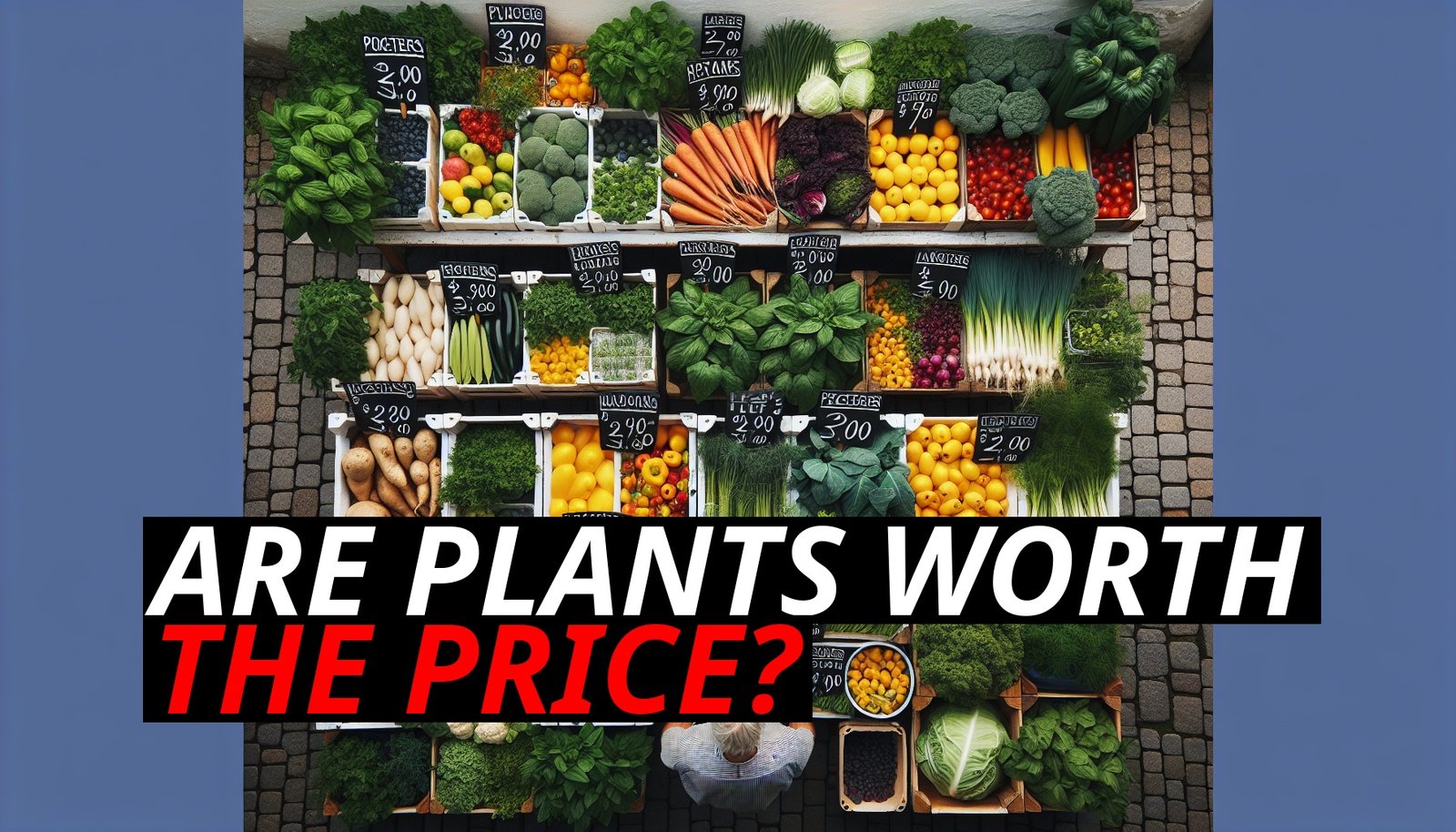
At first glance, it seems obvious—plants must be cheaper and more sustainable than animal-based foods. After all, growing plants requires less energy and fewer resources, right? However, when we dig deeper into the realities of global plant farming, the picture becomes far more complicated. The hidden economic and environmental costs of sourcing plants from across the world reveal that plant-based foods are not always as cheap or sustainable as they seem.
Let’s explore the hidden costs of global plant farming, from the financial burden of supply chains to the environmental impact of deforestation, water use, and soil degradation.
The Economic Cost Of Global Supply Chains
One of the biggest misconceptions about plant-based diets is that they are always more affordable than diets that include animal products. However, many of the most popular plant-based foods—such as avocados, almonds, and quinoa—don’t come from just anywhere. They are often grown in very specific climates, which means they need to be imported from across the globe.
These global supply chains come with significant economic costs:
- Transportation: Shipping plant-based foods across thousands of miles by trucks, planes, and ships requires massive amounts of fuel, contributing to the overall cost. This is particularly true for foods that need to be refrigerated or protected from spoilage during transit.
- Storage and Packaging: To keep plants fresh for their journey from farm to plate, extensive packaging and refrigeration are required, further increasing the environmental and financial burden. Fragile fruits and vegetables are often wrapped in plastic or transported in packaging that must be discarded after use.
- Seasonal Imports: Because many plant-based foods are not available year-round in every climate, they are often imported during the off-season. This means consumers pay a premium for access to out-of-season produce, making the “cheaper” plants more expensive.
In reality, many plant-based foods are subject to the same logistical complexities as meat or dairy products, resulting in prices that don’t always reflect the seemingly “cheaper” cost of growing plants.
Deforestation: Clearing Forests For Cropland
As the global demand for plant-based foods grows, so does the need for land to grow them. However, not all land is suitable for every type of plant, leading to the clearing of forests and natural ecosystems to make way for more crops. This practice, known as deforestation, is a major contributor to environmental degradation.
The hidden costs of deforestation for plant farming include:
- Loss of Carbon Sequestration: Forests act as carbon sinks, absorbing carbon dioxide from the atmosphere and helping to mitigate climate change. When forests are cleared for cropland, this ability is lost, and the carbon stored in the trees is released back into the atmosphere, contributing to global warming.
- Habitat Destruction: Clearing forests for crops destroys habitats for countless species of wildlife, leading to a loss of biodiversity. Animals that once thrived in forest ecosystems are displaced, and many are driven toward extinction as their homes are destroyed.
The expansion of crops like soy, palm oil, and even quinoa has led to deforestation in regions like the Amazon and Southeast Asia, showing that the environmental cost of growing plants can be just as damaging as raising livestock if not managed sustainably.
Water Use: The Thirsty Reality Of Plant Farming
Water is a precious resource, and some plants require enormous amounts of it to grow. Water-intensive crops like almonds, avocados, and rice are staples of many plant-based diets, but they come at a significant environmental cost.
Consider the water footprint of some of these popular plant-based foods:
- Almonds: It takes approximately 1,900 gallons of water to produce just one pound of almonds. Most almonds are grown in California, a region that is already suffering from drought and water scarcity, putting enormous pressure on local water supplies.
- Avocados: Similarly, avocados are water-intensive and are often grown in regions like Mexico, where the increased demand for avocados is contributing to water shortages for local communities and farmers.
- Rice: Growing rice requires flooding fields, which leads to high water use and can result in methane emissions—a potent greenhouse gas that contributes to climate change.
The environmental impact of water use in plant farming is often overlooked, but it’s a critical factor when evaluating the sustainability of plant-based diets. As water scarcity becomes an increasing global issue, the ability to grow water-intensive crops may decline, further challenging the sustainability of certain plant-based foods.
Soil Degradation: The Unseen Impact Of Monoculture Farming
Many popular plant-based foods are grown in monoculture systems, where a single crop is cultivated over vast areas of land. While this practice maximizes efficiency and yields, it also leads to soil degradation and a host of other environmental issues.
The hidden costs of monoculture farming include:
- Nutrient Depletion: Growing the same crop year after year strips the soil of essential nutrients, making the land less fertile over time. To maintain productivity, farmers must use increasing amounts of synthetic fertilizers, which can harm the soil and pollute waterways.
- Soil Erosion: Without a variety of plant species to protect the soil, monoculture farming leaves land vulnerable to erosion. When topsoil is lost, the land’s ability to support crops diminishes, leading to a decline in agricultural productivity.
- Pesticide Use: Monoculture farms are more vulnerable to pests, as a lack of biodiversity creates an ideal environment for pests to thrive. To combat this, farmers often rely on heavy use of pesticides, which can harm non-target species, including pollinators like bees, and contaminate the surrounding environment.
Soil degradation not only reduces the long-term viability of agricultural land but also contributes to environmental damage that can take decades to reverse.
The Myth Of Sustainability: Plant-Based Diets Aren’T Always Greener
While plant-based diets are often promoted as the more sustainable option, the reality is far more nuanced. The global demand for certain plant-based foods drives practices that are far from environmentally friendly. From deforestation to water overuse and soil degradation, the hidden costs of producing plant-based foods are significant.
Some of the key challenges to the sustainability of plant-based diets include:
- Global Supply Chains: Transporting plant-based foods across the world results in high carbon emissions, packaging waste, and logistical challenges, making these foods less sustainable than they appear.
- Resource-Intensive Crops: Many plant-based staples, like almonds, avocados, and rice, require massive amounts of water and land to produce, straining natural resources in regions where they are already scarce.
- Environmental Degradation: Monoculture farming, deforestation, and the overuse of fertilizers and pesticides all contribute to the degradation of ecosystems and soil health, making plant-based food production more harmful than expected.
While plant-based diets have their benefits, they are not a one-size-fits-all solution to sustainability. It’s essential to consider the broader impact of how and where these plants are grown and the toll it takes on the environment.
Conclusion: The Hidden Costs Of Global Plant Farming
Plants may seem like the cheaper and more sustainable option, but the hidden costs of global plant farming tell a different story. The environmental and economic burden of sourcing, transporting, and growing popular plant-based foods—combined with the impact of deforestation, water use, and soil degradation—challenges the idea that plant-based diets are inherently better for the planet.
To truly make sustainable choices, it’s important to understand where our food comes from and how it’s produced. By focusing on locally sourced, seasonal, and diverse plant-based foods, and by supporting sustainable farming practices, we can work toward a food system that balances human nutrition with environmental health.