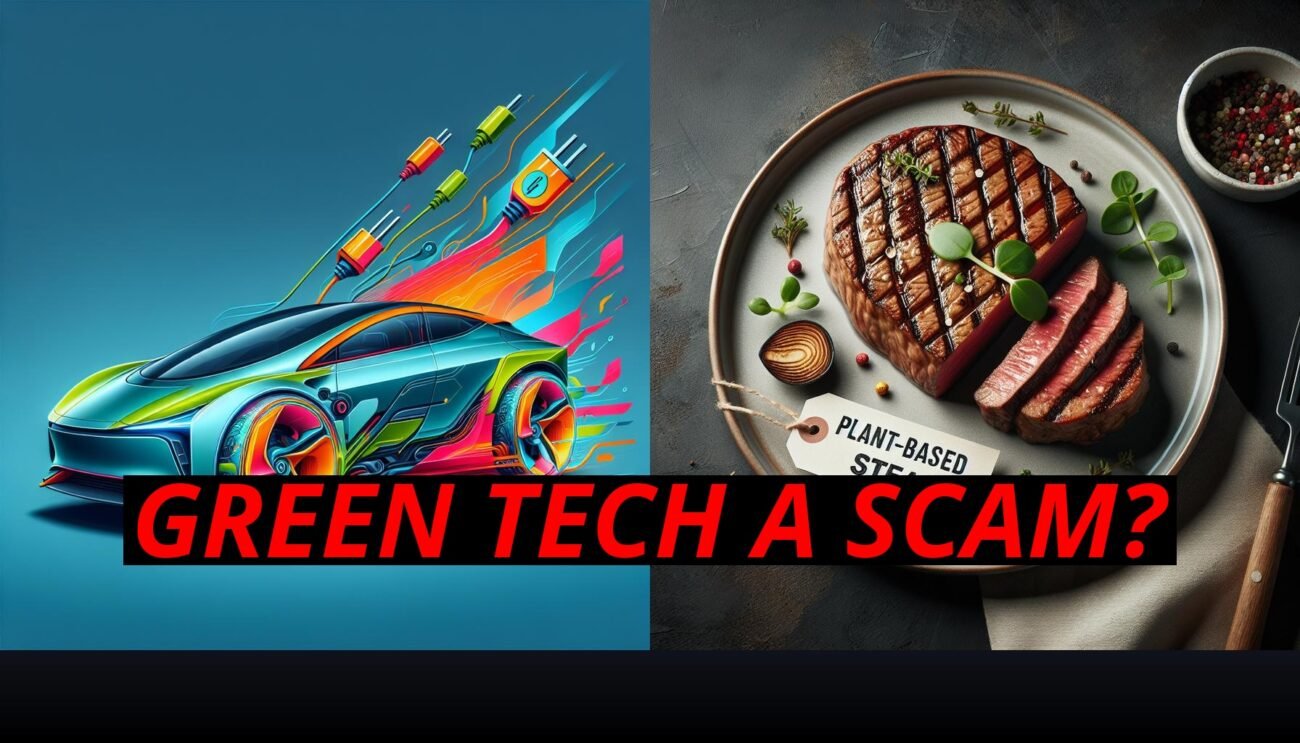
Picture this: you’re at a car dealership, surrounded by shiny electric vehicles (EVs), all while a salesperson assures you that driving an EV is not only great for the planet but also the wave of the future. Later, you’re at the grocery store, staring at the latest fake meat product, wondering if this highly processed patty will really help “save the Earth.” But what if I told you that both of these products—backed by government mandates and aggressive marketing—aren’t necessarily what consumers want or need?
There’s a growing disconnect between what’s being pushed as the solution to environmental problems and what actually works for people’s everyday lives. Welcome to the world of top-down environmentalism, where decisions about your car, your food, and your lifestyle are made by policymakers and corporations, not by you.
The Government Push For Electric Vehicles: Are We Ready?
It seems like every day, a new government or automaker announces ambitious plans to phase out gasoline cars and go all-in on electric vehicles. But here’s the question: are consumers actually ready for this EV revolution?
Infrastructure Challenges: EVs are being heavily promoted, but there’s a massive infrastructure gap. For starters, many regions don’t have enough charging stations to support widespread EV adoption. Sure, owning an EV sounds great in theory, but if you’re living in an apartment or rural area with limited charging options, owning one could become a logistical nightmare.
High Upfront Costs: Let’s be honest, most electric vehicles aren’t cheap. Even with government subsidies, EVs come with a high upfront cost compared to traditional gasoline cars. For many families, the idea of switching to an EV seems financially out of reach. And while EVs might save you on gas in the long run, the upfront price tag can be a major barrier for the average person.
Battery Concerns: Another factor? The dreaded battery life. Over time, EV batteries degrade, reducing their range and making them expensive to replace. These aren’t issues you deal with when buying a conventional car, so for many consumers, the trade-off isn’t worth it. Yet, governments continue to push mandates that may not consider whether the average household can afford or adapt to EV ownership.
Fake Meat: The Problem With Top-Down Food Mandates
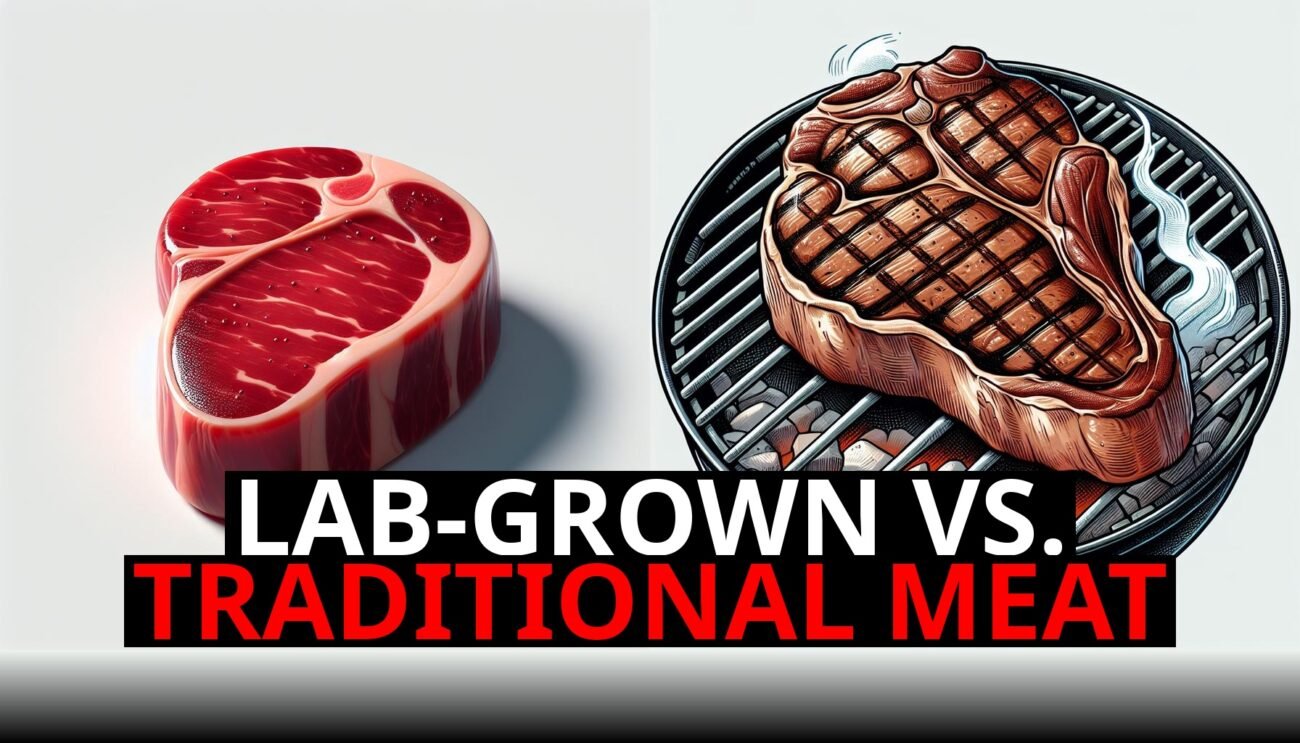
Just as governments are mandating the rise of electric vehicles, they’re also nudging the food industry toward plant-based meat alternatives. But here’s the reality: fake meat isn’t necessarily the answer most consumers are looking for.
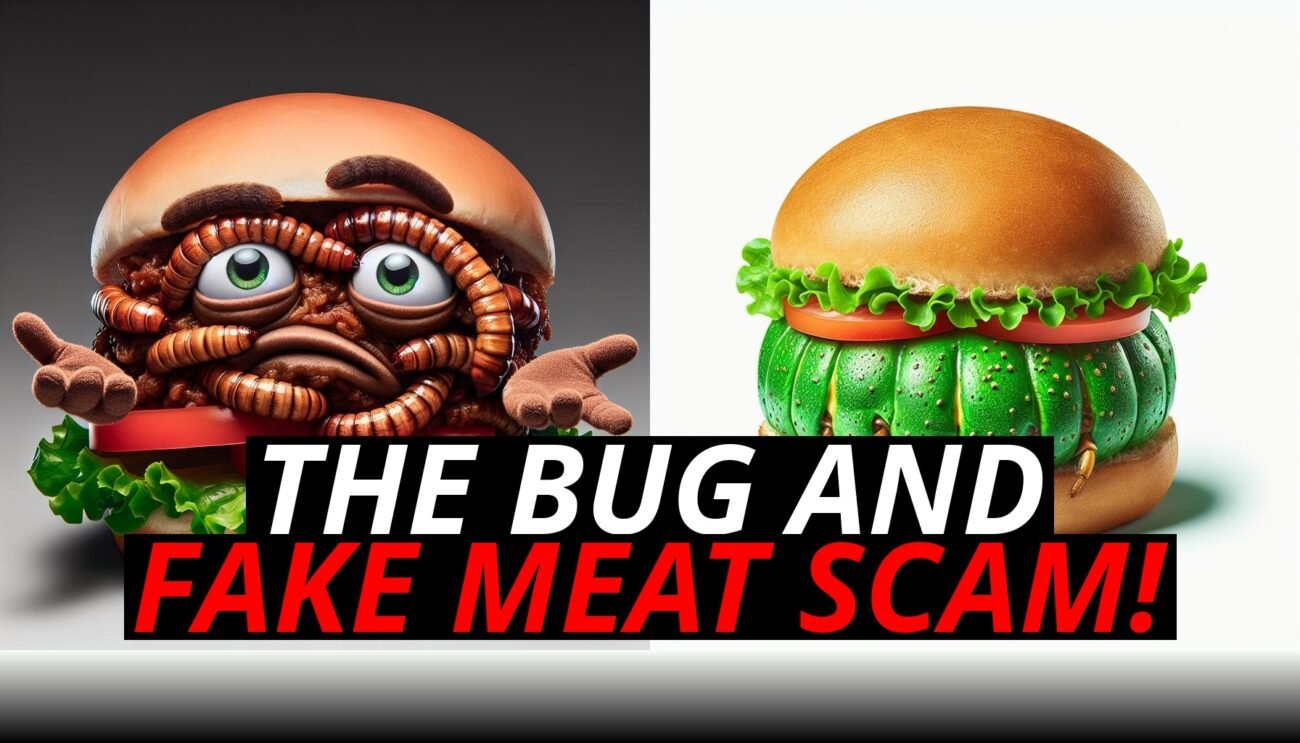
Highly Processed and Less Appealing: While plant-based meats are marketed as healthy and eco-friendly, they’re often highly processed, packed with additives, and don’t taste the same as the real deal. For many people, the idea of swapping out their favorite burger for something that tastes more like an experiment in food science is a tough sell.
More Expensive: Just like EVs, fake meat alternatives come with a higher price tag. Despite government subsidies and the heavy marketing push, the cost of fake meat remains higher than traditional animal-based products. For the average consumer trying to manage their grocery budget, paying more for a plant-based burger that doesn’t taste as satisfying just doesn’t add up.
Ignoring Traditional, Sustainable Practices: What’s often overlooked in the push for fake meat is that there are already sustainable ways to produce meat, such as regenerative agriculture. These farming practices can actually benefit the environment by improving soil health and sequestering carbon. Yet, the focus is on high-tech, lab-grown alternatives, rather than supporting more natural, sustainable farming methods that have worked for generations.
The Disconnect Between Government Mandates And Consumer Realities
So, why is there such a big push for EVs and fake meat if many consumers aren’t fully on board? A lot of it comes down to government mandates that focus on hitting production quotas rather than addressing what people actually need in their daily lives.
Top-Down vs. Bottom-Up Solutions: Governments and corporations are betting big on these technologies because they’re easy to measure—it’s easy to track how many EVs are sold or how much fake meat hits store shelves. But these are top-down solutions that don’t necessarily reflect what consumers want or can easily integrate into their lives. Instead of listening to what people need—affordable, reliable cars and access to natural, sustainable foods—policymakers are pushing technologies based on theoretical environmental benefits rather than practical realities.
Subsidies and Quotas Over Market Demand: Governments often offer subsidies to push these products into the market, but that doesn’t always create genuine demand. Many consumers are hesitant to adopt these products, either because of cost, convenience, or skepticism about their actual environmental benefits. Meanwhile, corporations focus on meeting government quotas rather than solving the real needs of consumers.
What Do Consumers Really Want?
The push for EVs and fake meat feels like it’s being driven more by political agendas than consumer demand. But what if we actually listened to what people want?
Practical and Affordable Solutions: Most consumers aren’t asking for lab-grown burgers or high-tech electric cars. They want practical, affordable solutions that fit into their everyday lives. Whether that’s more fuel-efficient cars or locally sourced meat from sustainable farms, there are simpler, more effective ways to meet both consumer needs and environmental goals.
Sustainable but Sensible Choices: Real sustainability doesn’t come from a top-down mandate; it comes from understanding what works for people. For example, supporting regenerative farming practices could provide consumers with natural, sustainably sourced meat, while also benefiting the environment. Similarly, improving the fuel efficiency of traditional cars or developing hybrid technology might be more realistic than pushing for a full-scale EV takeover that the infrastructure can’t yet support.
The Path Forward: Balancing Environmental Goals With Consumer Needs
If we really want to create a more sustainable future, we need to start focusing on solutions that balance environmental goals with what people actually need. Top-down environmentalism, driven by government mandates, may look good on paper, but it’s disconnected from the realities of everyday life.
Listening to Consumers: Instead of pushing technologies that aren’t fully practical or affordable for the average household, policymakers and corporations should focus on listening to consumers. What do people really need to live more sustainably? How can we make those solutions affordable and accessible? These are the questions we should be asking.
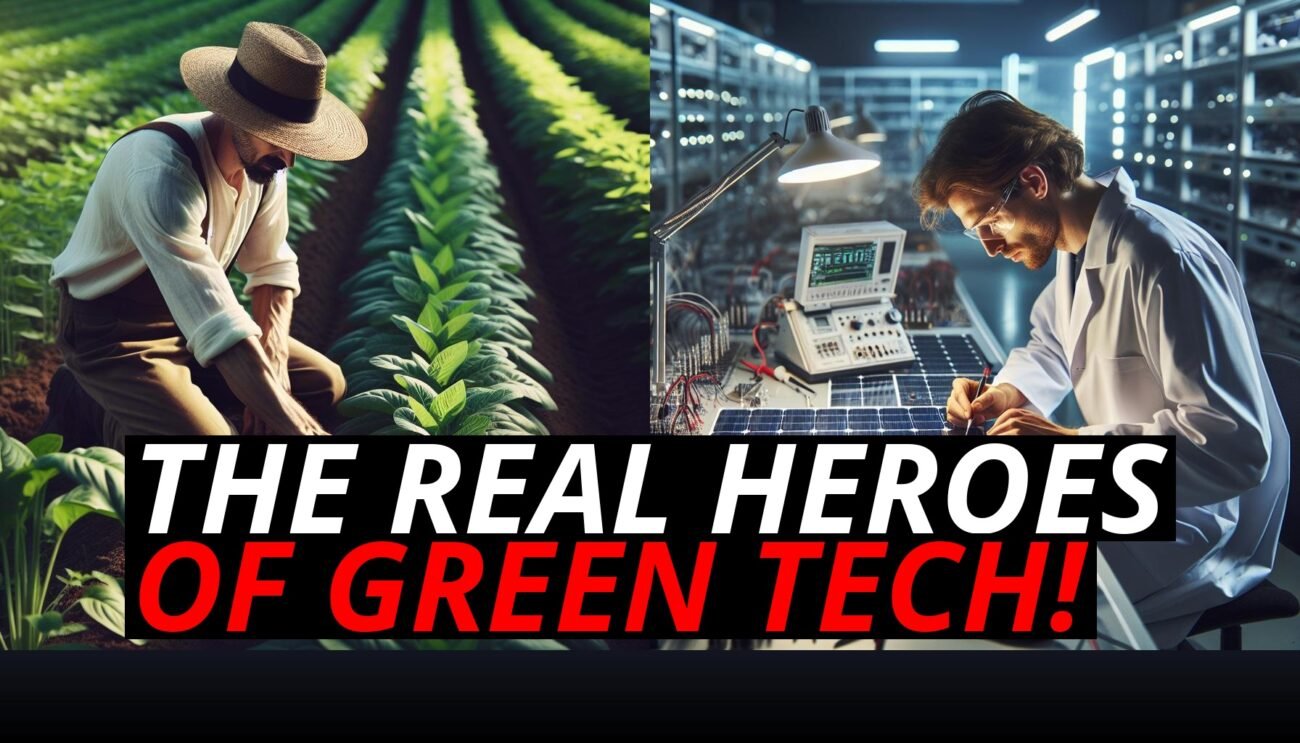
Supporting Bottom-Up Solutions: Real, lasting change often comes from the ground up. Supporting local, sustainable farming practices, investing in public transportation, and improving existing technologies (like hybrid cars) are all ways to make sustainability work for the masses, not just for those with the most money or access to infrastructure.
It’s time to shift the focus away from top-down mandates and start focusing on consumer-driven solutions that reflect the realities of daily life. Because in the end, real change comes from understanding and meeting people where they are—not forcing solutions that only work on paper.