We’ve all seen the hype: magazines, health blogs, and influencers constantly touting the latest plant-based “superfood” as the secret to better health. From kale to quinoa, these foods are praised as miracle workers, packed with nutrients and antioxidants. But what if we’ve been looking in the wrong place all along? What if the real superfoods aren’t plants at all, but the animal-based foods that humans have relied on for millennia? As more people turn to nutrient-dense animal products, it’s becoming clear that these foods far surpass their plant-based counterparts when it comes to bioavailability, essential nutrients, and overall health benefits.
What Makes A Superfood?
The term superfood has been thrown around so much that it’s almost lost its meaning. It’s often used to describe plant-based foods that are high in antioxidants, vitamins, and minerals—foods like berries, leafy greens, and ancient grains. But while these foods might sound impressive on paper, they aren’t always the most efficient way to nourish the body.
A true superfood should be packed with bioavailable nutrients—those that the body can easily absorb and use. This is where animal products shine. Unlike plants, animal foods provide essential nutrients in forms that are more easily digested and absorbed by the human body. Plus, they deliver a far broader spectrum of nutrients in one package, making them the real superfoods that many people overlook.
The Myth Of Plant-Based Superfoods
There’s no denying that plant-based foods contain vitamins and minerals, but the real question is how well your body can absorb and use those nutrients. Many plant-based superfoods come with anti-nutrients, compounds that interfere with the absorption of key minerals.
Take spinach, for example. While it’s high in iron, it also contains oxalates, which bind to the iron and prevent your body from absorbing it efficiently. Similarly, many grains and legumes are rich in phytates, which block the absorption of calcium, zinc, and magnesium. So, while you might be eating foods touted as rich in nutrients, your body may only be getting a fraction of what’s advertised.
On the flip side, animal products are free from these anti-nutrients and provide critical nutrients in a form that’s ready for the body to use. This makes them a much more reliable source of nutrition.
Animal Products: The True Nutrient Powerhouses
So what makes animal products superior to plant-based superfoods? It’s all about the nutrient density and bioavailability.
- Complete Proteins: Animal products, like meat, eggs, and fish, are rich in complete proteins, meaning they contain all the essential amino acids your body needs for muscle repair, immune function, and hormone production. Plant proteins, on the other hand, are often incomplete and must be combined with other foods to provide all the necessary amino acids.
- Vitamin B12: This essential vitamin is crucial for brain function, nerve health, and the production of red blood cells, yet it’s only found naturally in animal products. People on plant-based diets often struggle to get enough B12 without supplements, while carnivores and omnivores get it naturally from meat, eggs, and dairy.
- Omega-3 Fatty Acids: While plant-based sources like flaxseeds and chia seeds contain ALA (alpha-linolenic acid), the form of omega-3s found in animal products (EPA and DHA) is far more effective for brain health, reducing inflammation, and supporting heart function. Fatty fish, like salmon and sardines, are the gold standard for these essential fats.
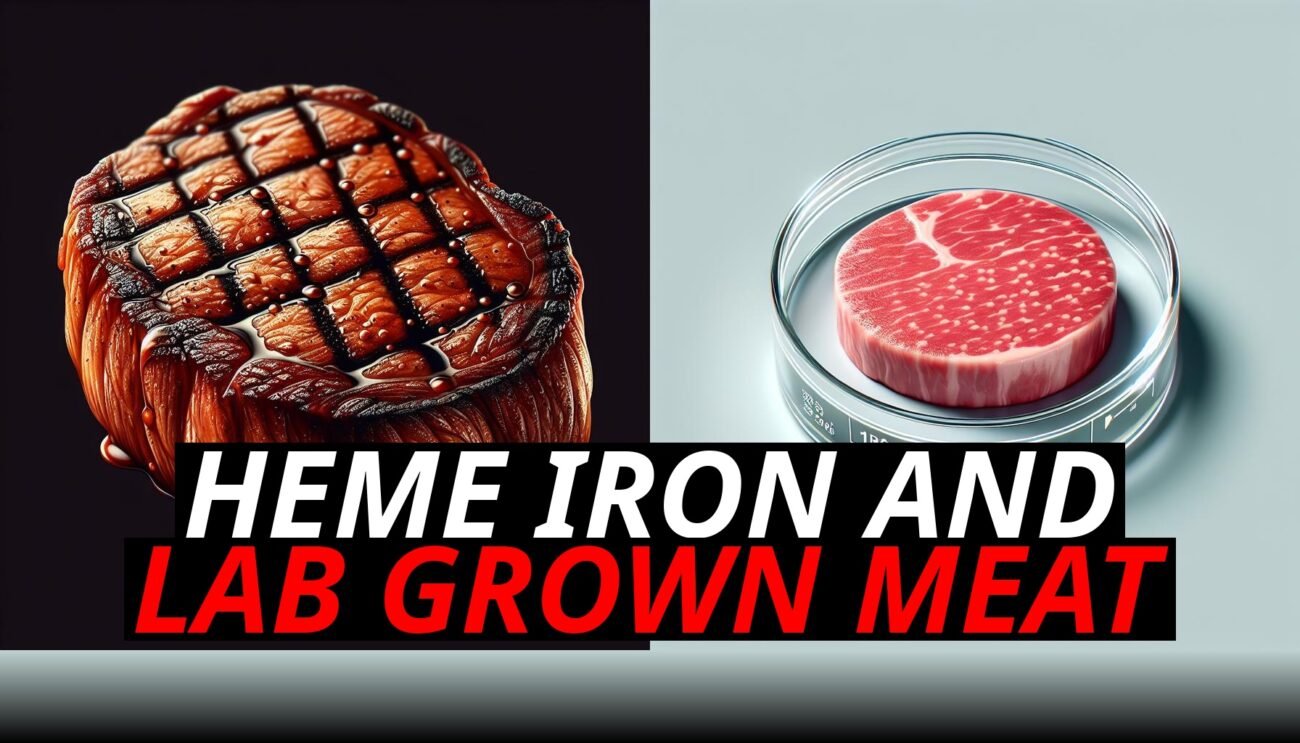
- Heme Iron: Iron from animal sources (heme iron) is much more easily absorbed than the non-heme iron found in plant foods. This makes red meat, liver, and other animal products ideal for preventing iron deficiency, especially for people who struggle with anemia or low energy.
- Fat-Soluble Vitamins: Vitamins A, D, E, and K2 are critical for everything from bone health to immune function. These vitamins are best absorbed when paired with fat, and they are found abundantly in animal products like eggs, liver, and butter. While plants contain precursors to some of these vitamins, they aren’t as bioavailable and often need to be converted by the body, which is an inefficient process.
The Downside Of Relying On Plant-Based Foods
While plant-based foods can certainly have a place in a balanced diet, relying on them as your primary source of nutrition comes with some challenges. The biggest issue is that many of these so-called “superfoods” lack the complete nutrition found in animal products. This means people who follow strictly plant-based diets often need to rely on supplements to get enough essential nutrients like B12, iron, and omega-3s.
Additionally, plant-based foods are often less calorie-dense and less satisfying than animal products. This can lead to overeating or frequent snacking in an attempt to meet nutritional needs, especially for protein and healthy fats. In contrast, animal products are naturally satiating, helping to regulate hunger and provide sustained energy.
Carnivore Diets: Proving The Power Of Animal-Based Nutrition
The growing popularity of the carnivore diet is challenging the idea that plants are essential for health. People following carnivore diets, which consist entirely of animal products, report incredible health benefits—including improved digestion, increased energy, better mental clarity, and relief from autoimmune conditions.
One of the reasons the carnivore diet is so effective is because it eliminates anti-nutrients found in plant foods, allowing the body to fully absorb and utilize the nutrients from meat, eggs, and animal fats. Additionally, the diet provides an abundance of bioavailable vitamins, minerals, and essential fatty acids, all without the need for supplementation.
This has led many people to question the long-standing belief that we need a wide variety of plant foods to be healthy. Instead, the success of the carnivore diet is showing that animal products alone can provide all the nutrients the body needs to thrive.
Debunking The “Variety” Myth: Do We Really Need All Those Plants?
One of the most persistent myths about nutrition is that we need to eat a wide variety of foods—especially plants—to be healthy. But the truth is, humans evolved as omnivores, and for much of our history, our diets were heavily focused on animal foods. The idea that we need to eat dozens of different plants each day is a relatively new concept, driven more by modern dietary guidelines and corporate marketing than by human biology.
In fact, many of the nutrients found in plants are either less bioavailable or come in forms that are harder for the body to process. When compared to the nutrient density of animal products, the variety myth begins to fall apart. Animal-based diets, including carnivore, prove that a limited but highly nutrient-dense diet can offer superior health outcomes.
Conclusion: Why Animal Products Are The Real Superfoods
For too long, the spotlight has been on plant-based “superfoods,” while the true nutritional powerhouses—animal products—have been overlooked or even demonized. But as more people rediscover the benefits of eating meat, eggs, and animal fats, it’s becoming clear that these foods offer unparalleled nutrition that plants simply can’t match.
From bioavailable nutrients to complete proteins and essential fats, animal products provide everything the body needs to function at its best. So, the next time you’re tempted to reach for a bitter kale salad or a quinoa bowl, remember that the real superfoods might just be the foods our ancestors thrived on—those rich, satisfying, nutrient-dense animal products that keep us healthy and strong.