

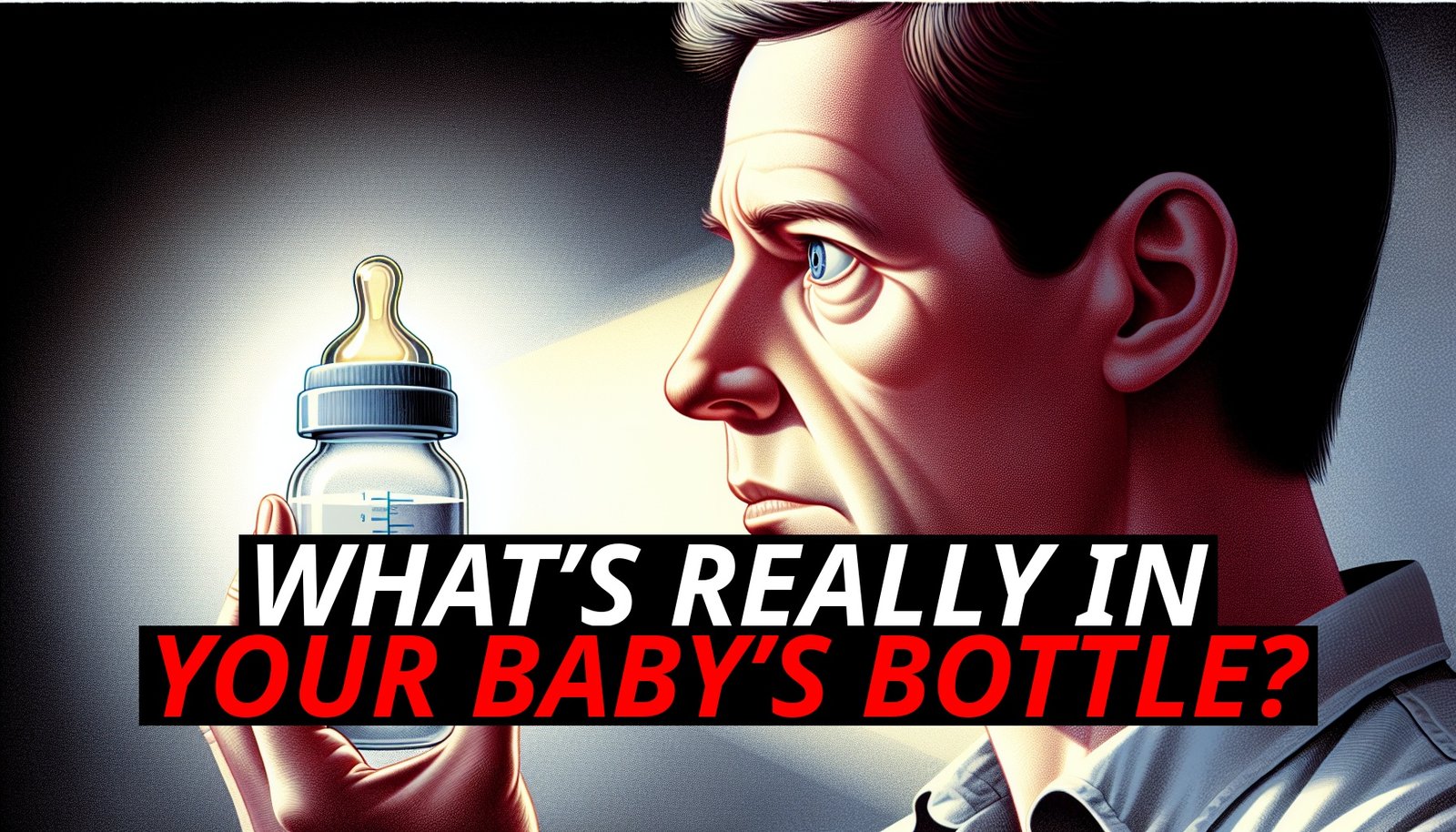
Are You Really Protecting Your Baby?
Imagine this: you’re at the store, searching for the safest baby bottle for your little one. You see the label “BPA-free” and feel a sense of relief. You toss it in your cart, confident that you’ve made a healthy choice. But what if I told you that this seemingly safe choice might still be exposing your baby to harmful chemicals?
That’s right—being “BPA-free” doesn’t necessarily mean a product is safe. In fact, the alternatives to BPA, such as BPS and BPF, could be just as harmful, if not more so. Let’s dive into why “BPA-free” might not be enough and what you need to know to truly protect your child.
The Rise And Fall Of Bpa
Bisphenol A, commonly known as BPA, was once a go-to chemical in the production of plastics. It was used in everything from baby bottles to food containers. However, as research started linking BPA to hormone disruption, developmental problems, and other health issues, parents and health experts alike began to worry. This led to a significant push to eliminate BPA from consumer products, especially those used by babies and young children.
Manufacturers responded swiftly. Products labeled “BPA-free” started flooding the market, reassuring parents that their little ones were safe. But the story doesn’t end there.
The Bpa-Free Label: A False Sense Of Security?
When companies removed BPA from their products, they often replaced it with chemicals like Bisphenol S (BPS) and Bisphenol F (BPF). These compounds were meant to serve the same purpose as BPA, but with one critical difference—they hadn’t been scrutinized to the same extent as BPA.
Research now suggests that BPS and BPF may also disrupt the endocrine system, which is responsible for regulating hormones in the body. This disruption can lead to developmental and reproductive issues, similar to the concerns that initially arose with BPA. In some cases, these replacements may even be more potent than BPA itself.
So, while the “BPA-free” label might make a product sound safe, it’s not a guarantee. It’s merely a substitution of one potentially harmful chemical for another.
Understanding The Risks Of Bps And Bpf
Let’s break it down a bit further. BPS and BPF are structurally similar to BPA, meaning they can interact with the body in much the same way. Studies have shown that these chemicals can leach out of plastic products, especially when heated or subjected to wear and tear.
For babies, whose bodies are still developing and who are more vulnerable to toxins, this is particularly concerning. Exposure to these chemicals during critical periods of development could have long-lasting effects on their health, including impacts on their brain, reproductive system, and overall growth.
What’s more, the long-term effects of these BPA replacements are not yet fully understood. As more research emerges, we’re learning that these chemicals could be just as risky as BPA, raising questions about the true safety of “BPA-free” products.
What You Can Do To Protect Your Baby
Given these concerns, it’s understandable that you might feel a bit overwhelmed. But don’t worry—there are steps you can take to minimize your baby’s exposure to potentially harmful chemicals:
– Choose Alternative Materials: Opt for baby bottles made from glass, stainless steel, or medical-grade silicone. These materials do not contain bisphenols and are generally considered safer.
– Avoid Heating Plastic: If you do use plastic bottles, avoid heating them in the microwave or dishwasher, as heat can increase the likelihood of chemical leaching.
– Check Labels Carefully: Look beyond the “BPA-free” label and research the materials used in the products you buy. Some brands specifically advertise that they are free from all bisphenols, not just BPA.
– Stay Informed: As science continues to evolve, so too does our understanding of chemical safety. Keep up with the latest research and be prepared to adjust your choices as new information becomes available.
Conclusion: The Path To Safer Choices
In the quest to protect your baby, knowledge is your greatest ally. While “BPA-free” was a step in the right direction, it’s important to look beyond that label to ensure you’re truly making the safest choices. By being informed and cautious, you can navigate the complex world of baby products and keep your little one safe from hidden dangers.


