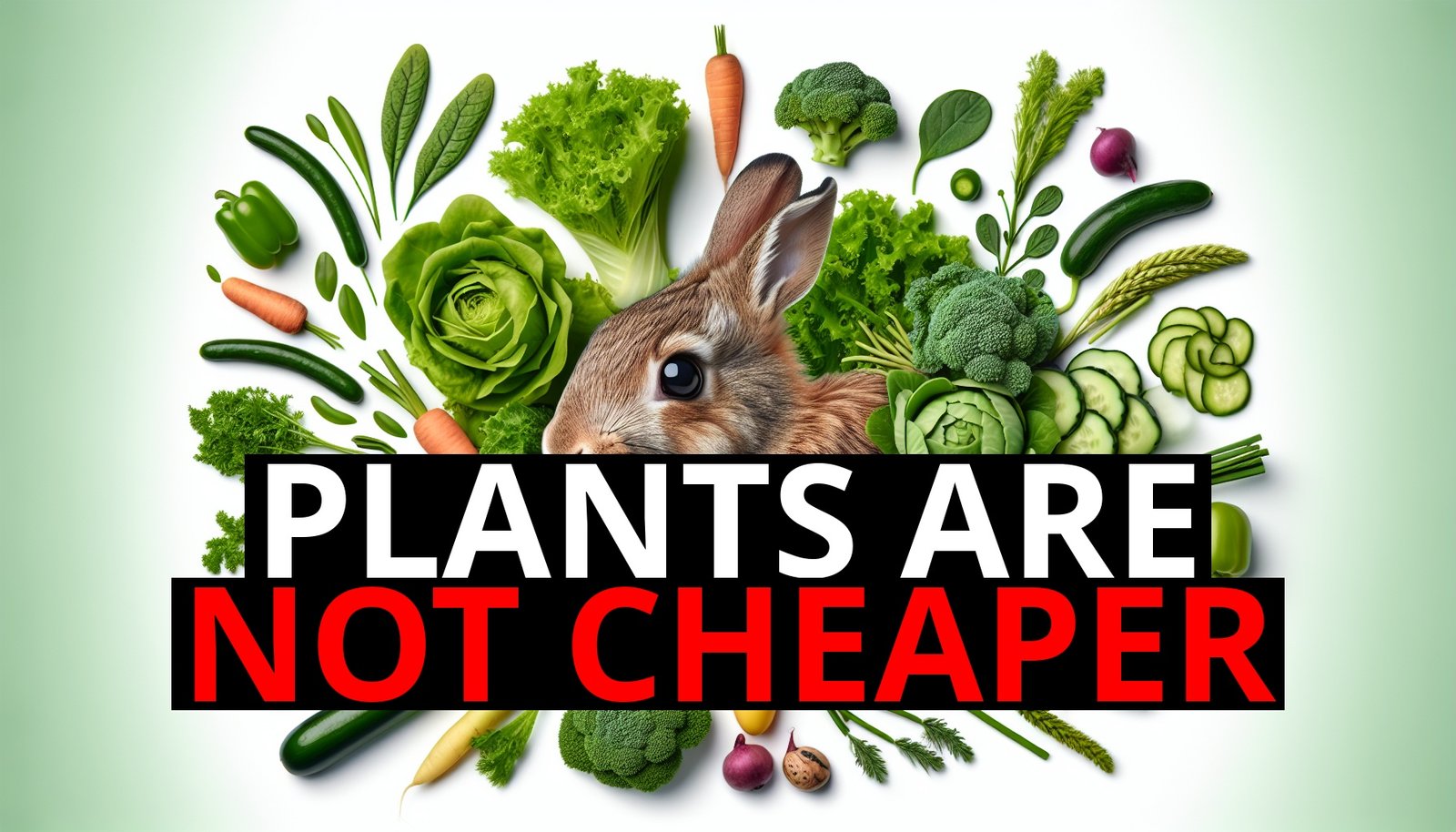
It’s easy to assume that plants are always the cheaper and more sustainable option. After all, they grow abundantly and don’t require the same resources as raising animals, right? But when you dig a little deeper, it becomes clear that feeding herbivores—whether in zoos or through human diets—comes with hidden financial and environmental costs. While plant-based diets and herbivore feeding strategies may seem straightforward, the reality is that they often require importing specific plants in large volumes, and the logistics behind it make plants far from “cheap.”
Let’s explore why the idea that plants are the more economical choice doesn’t hold up under scrutiny.
The Hidden Costs Of Feeding Herbivores In Zoos
Feeding a lion or a tiger in a zoo may seem like a daunting task, but when it comes to costs, feeding carnivores is surprisingly simple. Zoos can buy meat in bulk from local suppliers, and these carnivores can eat a wide variety of animal products. However, feeding herbivores—like elephants, giraffes, or pandas—is far more complex and expensive.
Herbivores often have specialized diets, meaning they can only consume specific types of plants, many of which aren’t available locally. For example:
- Pandas rely almost exclusively on bamboo, a plant that only grows in certain regions. Zoos outside these regions must import bamboo, which can cost thousands of dollars each year.
- Giraffes require a diet rich in fresh leaves and browse. To meet this need, zoos either have to grow these plants themselves in greenhouses or import them, especially during the off-season when natural foliage isn’t available.
The logistical challenge of sourcing these specific plants drives up costs. Zoos often need to maintain greenhouses, hire specialized staff to care for these plants, and manage the importation of fresh plant matter from distant locations. This makes feeding herbivores much more expensive and resource-intensive compared to feeding carnivores.
Importing Plants For Human Diets: The True Environmental Cost
The idea that switching to a plant-based diet is the most sustainable choice has gained popularity in recent years. However, the environmental cost of maintaining this kind of diet isn’t always as low as it seems, especially when you consider the global supply chains behind many popular plant-based foods.
Many plant-based staples, like avocados, almonds, and quinoa, don’t grow everywhere. To meet the global demand, these foods are often shipped from their native regions, leading to:
- High Transportation Emissions: Avocados are typically grown in Mexico, quinoa in the Andes, and almonds in California. The carbon footprint of transporting these products across the world adds up quickly. The journey from farm to table requires fossil fuels for shipping, refrigeration, and packaging, contributing to greenhouse gas emissions.
- Water-Intensive Crops: Many of the plants we associate with healthy diets are surprisingly water-intensive. For instance, producing one pound of almonds requires approximately 1,900 gallons of water, most of which comes from drought-prone regions like California. Similarly, the water demand for crops like avocados and rice is enormous, putting pressure on already stressed water supplies.
While it’s true that plants require fewer resources than raising livestock in terms of land and feed, the hidden costs of importing and growing these plants—especially when considering transportation, water use, and packaging—are often overlooked.
Monoculture Farming: Stripping The Land To Grow More Plants
Another environmental concern tied to plant-based diets is the reliance on monoculture farming to produce large amounts of a single crop. Whether it’s soy, corn, or wheat, monoculture farming has a range of negative impacts on the environment, including:
- Soil Depletion: Growing the same crop year after year strips the soil of essential nutrients. To maintain productivity, farmers rely heavily on synthetic fertilizers, which contribute to water pollution and soil degradation over time.
- Loss of Biodiversity: Monoculture farming reduces biodiversity, as it focuses on a single crop at the expense of other plants, insects, and animals. This disruption of ecosystems weakens the land’s natural defenses against pests, leading to an increased use of pesticides and herbicides.
As more people adopt plant-based diets, the demand for monoculture crops increases, leading to greater environmental damage and long-term sustainability challenges. The idea that growing more plants is always better for the environment isn’t as simple as it seems, especially when these plants are farmed in ways that harm the land and require extensive resource inputs.
Plant-Based Diets And Nutrient Density: Are We Really Getting Enough?
Another factor to consider when discussing the cost of plant-based diets is nutrient density. While plants certainly provide vitamins, minerals, and fiber, they often require larger quantities to meet the same nutritional needs as animal products. For example:
- Protein: While beans and lentils are good sources of protein, they don’t contain the same bioavailable levels of amino acids found in meat, fish, or eggs. To get the same amount of protein from plant-based sources, you may need to eat larger portions, which can drive up food costs.
- Essential Nutrients: Certain vitamins and minerals, such as vitamin B12, iron, and omega-3 fatty acids, are found primarily in animal products. Plant-based alternatives often require fortification or supplementation, which can add both financial and environmental costs due to the need for processing and packaging.
While a plant-based diet can be healthy, it’s not always the most cost-effective or efficient way to meet nutritional needs, especially when considering the volume of food and additional supplementation required to maintain balanced nutrition.
Grazing Vs. Crop Farming: Which Is More Sustainable?
When comparing the sustainability of grazing animals versus crop farming, it’s important to consider the role of regenerative grazing in restoring ecosystems. Grazing animals, when managed properly, can help improve soil health, sequester carbon, and promote biodiversity. Unlike monoculture farming, which depletes the land, regenerative grazing works with the natural ecosystem to maintain balance.
Some of the key benefits of regenerative grazing include:
- Improving Soil Fertility: Grazing animals naturally fertilize the soil with their manure, adding organic matter that enhances soil health and helps retain moisture.
- Carbon Sequestration: Healthy soils rich in organic matter can store carbon, helping to mitigate climate change. By improving soil structure, regenerative grazing increases the land’s capacity to capture and store carbon.
- Biodiversity Support: Rotational grazing systems encourage a diverse range of plant species to grow, supporting a wider range of wildlife, including pollinators, birds, and insects.
While monoculture farming strips the land of its natural resources, regenerative grazing can actually restore degraded land, making it a more sustainable option for producing food in the long term.
Conclusion: The True Cost Of Plants
The notion that plants are always cheaper and more sustainable than animal products doesn’t hold up when you consider the full picture. Whether we’re feeding herbivores in zoos or shifting human diets toward more plant-based foods, the hidden financial and environmental costs of sourcing and growing plants can quickly add up.
From the importation of specific plants for herbivores to the high water use and carbon emissions tied to popular plant-based foods, it’s clear that the cost of plants is far more complex than it seems. By understanding the true cost of feeding herbivores and humans, we can make more informed decisions about how to feed the planet in a way that’s both financially and environmentally sustainable.