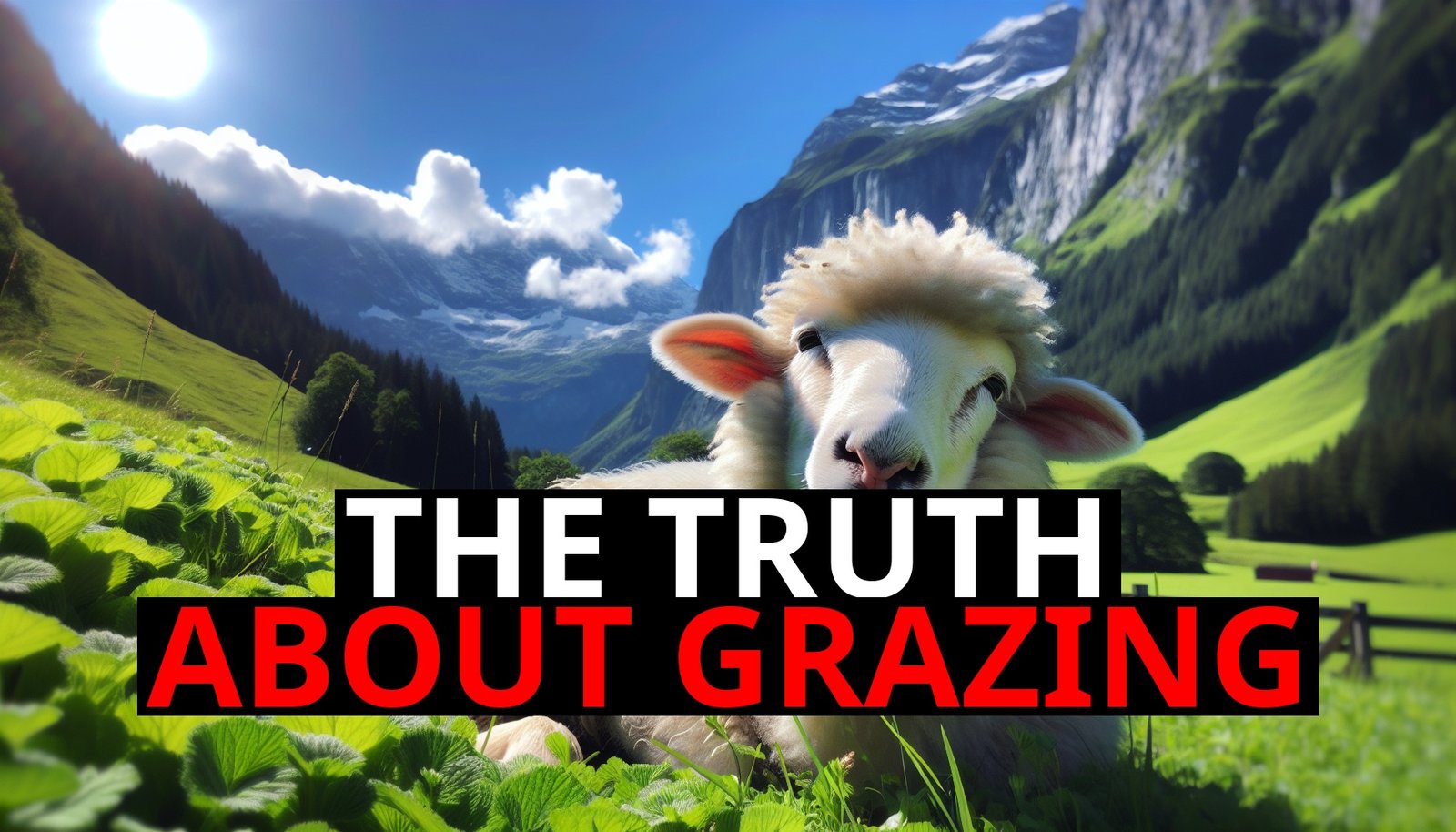
Imagine a ship floating on the ocean. The ship travels across the water’s surface without consuming or using the water itself. In many ways, grazing animals are like ships on the land—they float on the surface, feeding from it, but they don’t consume or deplete the land the way many people think. Despite the common misconception that grazing animals degrade the land, the truth is that well-managed grazing can actually regenerate and enrich ecosystems, helping restore soil health and biodiversity.
Let’s debunk the myth that grazing animals are harmful to the land and explore how they can play a crucial role in sustaining and improving the environment.
The Grazing Fallacy: Animals Don’T ‘Use’ Land
One of the biggest misunderstandings about grazing is the belief that animals are “using up” land, leading to overgrazing and degradation. But grazing animals, when properly managed, don’t consume the land—they graze on it. Much like a ship moves across water, grazing animals take from the land in a way that doesn’t inherently harm the ecosystem. In fact, they can help maintain the balance of plant growth and soil health.
In natural systems, herbivores like bison, wildebeest, and other large grazing animals move across grasslands, consuming plants and dispersing seeds, but their movement is part of a natural cycle. These ecosystems evolved to rely on the grazing and trampling of large herbivores to stimulate plant growth and keep ecosystems vibrant. When grazing is managed to mimic these natural patterns, it has regenerative effects, improving the health of the land.
Grazing Promotes Soil Health And Carbon Sequestration
One of the most important roles that grazing animals play is in maintaining soil health. When animals graze, they help control plant growth, preventing grasses from becoming overgrown and shaded out. This encourages new plant growth, keeping the ecosystem diverse and thriving.
Moreover, grazing animals contribute to soil health in two key ways:
- Natural Fertilization: As animals graze, they deposit manure, which adds organic matter to the soil. This natural fertilizer boosts the soil’s nutrient content, making it more fertile and promoting healthy plant growth.
- Soil Aeration: The hoof action of grazing animals helps break up compacted soil, improving water infiltration and root penetration. This process, similar to the effect of tilling, helps aerate the soil and makes it more absorbent, reducing water runoff and promoting plant resilience.
Healthy soils act as carbon sinks, pulling carbon dioxide from the atmosphere and storing it in the ground. Grazing systems that focus on regenerating soil can help combat climate change by sequestering carbon in the soil, turning livestock grazing into a powerful tool for climate action.
Mimicking Nature: The Key To Sustainable Grazing
The problems with overgrazing arise when animals are confined to one area for too long, giving the plants no time to recover. However, regenerative grazing practices solve this by rotating animals between different pastures, mimicking the natural migration patterns of wild herbivores.
In rotational grazing systems, animals are moved from one paddock to another in a controlled way, allowing each area of land time to rest and recover. This method ensures that no single area of land is overused, and it allows plant life to regenerate between grazing periods. The result is a more balanced, healthier ecosystem that can sustain both plant and animal life.
Rotational grazing systems offer numerous benefits:
- Improved Plant Diversity: By moving animals regularly, grazing helps maintain a diverse mix of plants, which supports healthier ecosystems.
- Increased Resilience: Healthy, biodiverse ecosystems are more resilient to droughts, pests, and climate extremes. Grazing systems that encourage biodiversity help protect the land from environmental stresses.
- Efficient Land Use: Grazing animals can make use of land that might not be suitable for crop production, such as rocky or hilly terrain, allowing humans to produce food without resorting to land conversion or deforestation.
Grazing Animals As Ecosystem Engineers
Much like ships don’t disturb the water they float on, grazing animals, when managed properly, don’t deplete the land they graze on. In fact, grazing animals act as ecosystem engineers, shaping and maintaining the landscape in a way that benefits both the environment and other species. By controlling plant growth and contributing to soil health, grazing animals create a landscape that supports biodiversity.
Some key ways that grazing animals improve ecosystems include:
- Seed Dispersal: As animals move across the land, they help disperse seeds from the plants they consume. This helps to maintain plant diversity and spread plant species across different areas.
- Supporting Pollinators: The controlled grazing of livestock can create a patchwork of short and tall grasses, which supports a variety of flowering plants. This diverse landscape is essential for pollinators like bees and butterflies, which rely on a range of plants for food.
- Water Regulation: Grazing animals, through their impact on soil structure and plant growth, can help regulate water cycles, improving the land’s ability to absorb and retain water. This reduces runoff and erosion, helping to stabilize the landscape and prevent droughts or floods.
By understanding the positive role that grazing animals can play in maintaining ecosystems, we can move away from the misconception that livestock are always harmful to the environment. Instead, well-managed grazing can be part of the solution to restoring degraded ecosystems.
Debunking The Myth Of Land Depletion
The idea that grazing animals “use up” land is based on the outdated view that all livestock farming is inherently destructive. But when managed correctly, grazing animals don’t consume the land any more than ships use up water. They float on it, interacting with the land in a way that promotes health and sustainability.
In contrast, other forms of land use, such as intensive crop farming or urban development, often deplete the land by stripping away natural ecosystems, exhausting the soil, and reducing biodiversity. Grazing, when done properly, enhances the land rather than depleting it, contributing to the long-term health and productivity of ecosystems.
Conclusion: Grazing For A Healthier Planet
It’s time to rethink how we view grazing animals and their relationship with the land. Far from being harmful, grazing animals—when managed with care—can help regenerate ecosystems, improve soil health, and increase biodiversity. Like ships floating on water, these animals don’t deplete the land; they interact with it in a way that keeps the environment balanced and productive.
By embracing regenerative grazing practices, we can harness the power of livestock to restore degraded landscapes and build a more sustainable future. Let’s move beyond the misconception that grazing harms the land and recognize the valuable role that well-managed livestock play in keeping our planet healthy.